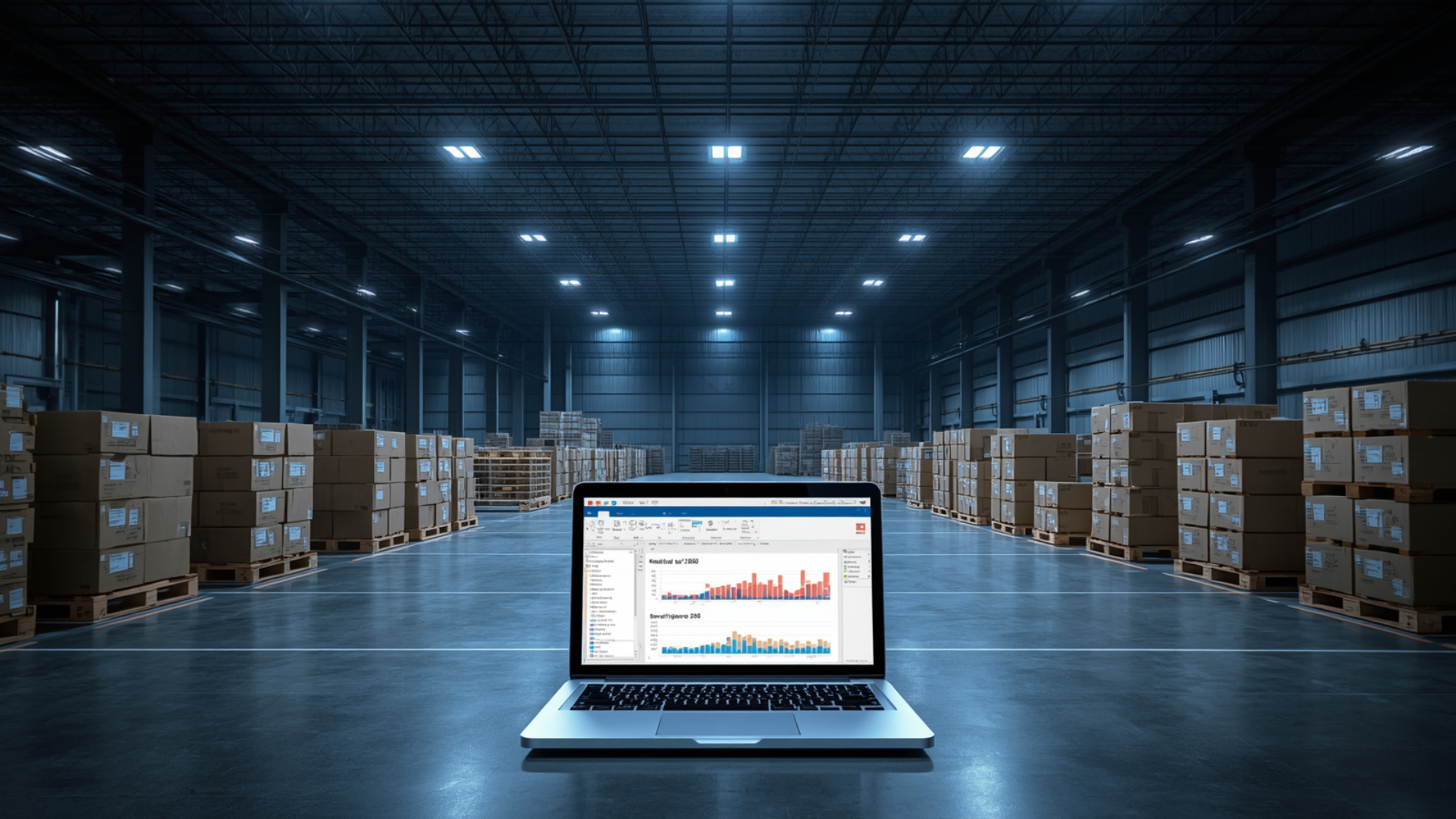
The Visibility Gap: Why Spreadsheets Fail Global Logistics
Most supply chain teams coordinate shipments across email threads, Excel files, and disconnected systems. Here's what breaks at scale - and how unified platforms change the game.
Product updates, compliance guides, and engineering notes from the team building global logistics infrastructure.
Most supply chain teams coordinate shipments across email threads, Excel files, and disconnected systems. Here's what breaks at scale - and how unified platforms change the game.
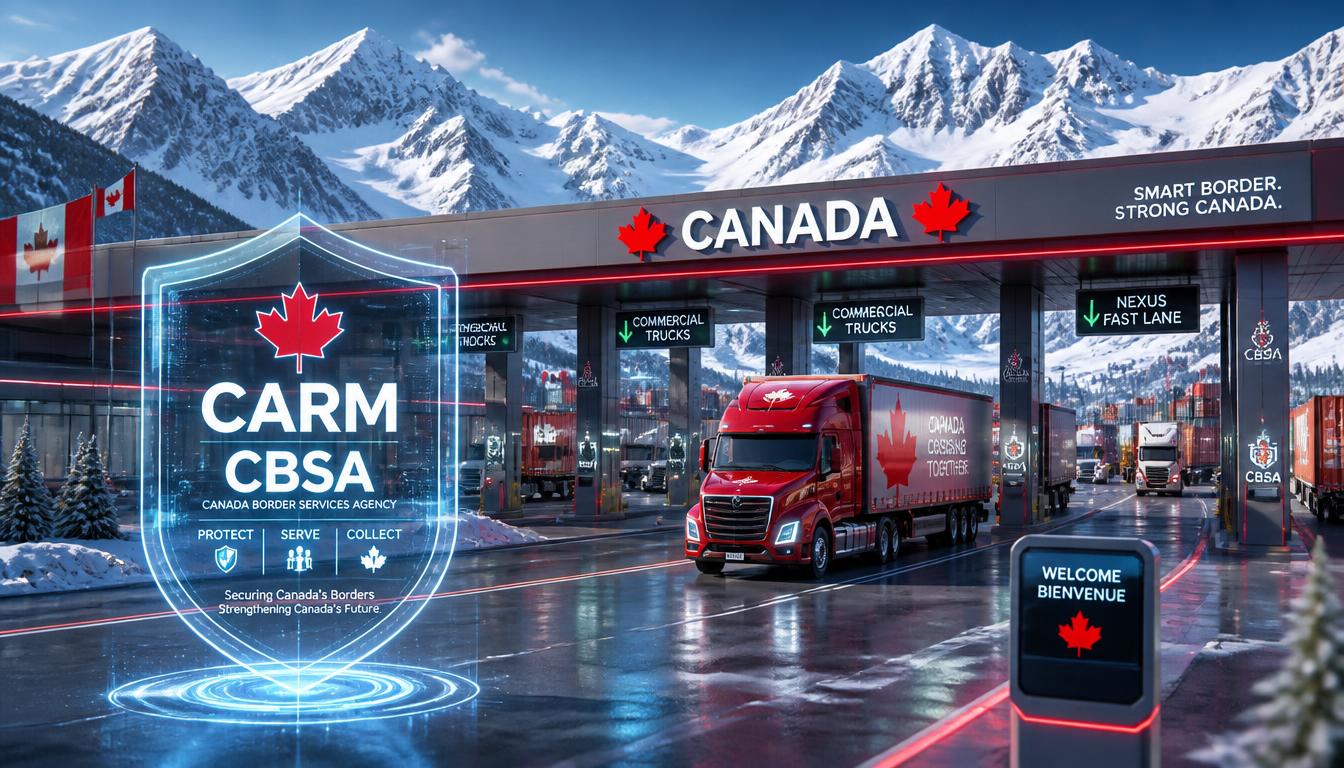
Importing into Canada has fundamentally changed with the rollout of the CBSA Assessment and Revenue Management (CARM) system. Learn how to manage direct financial liability, RPP bonds, and clear the border without costly delays.
Read article →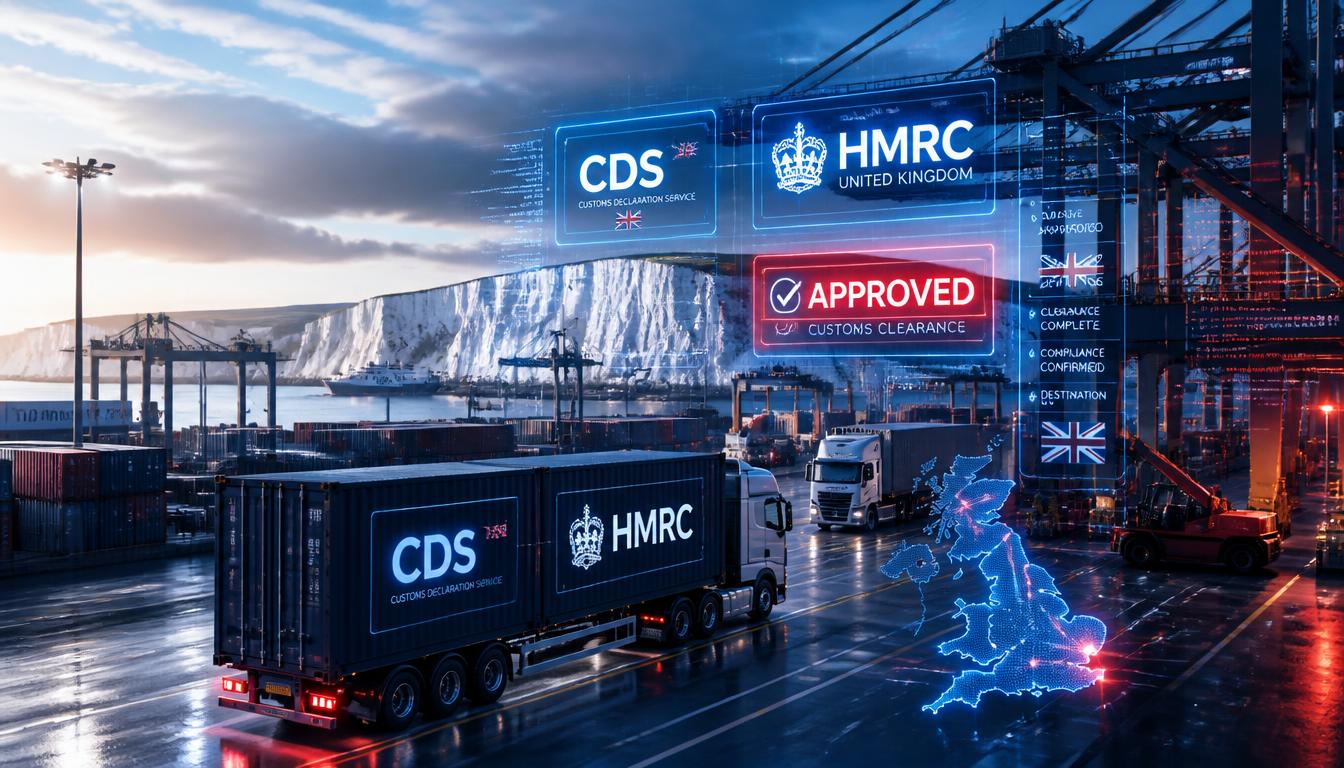
Years after Brexit, importing into the UK remains a complex landscape of new systems and phased border checks. From securing your EORI number to navigating the Customs Declaration Service (CDS) and Postponed VAT Accounting, here is your essential guide to UK import compliance.
Read article →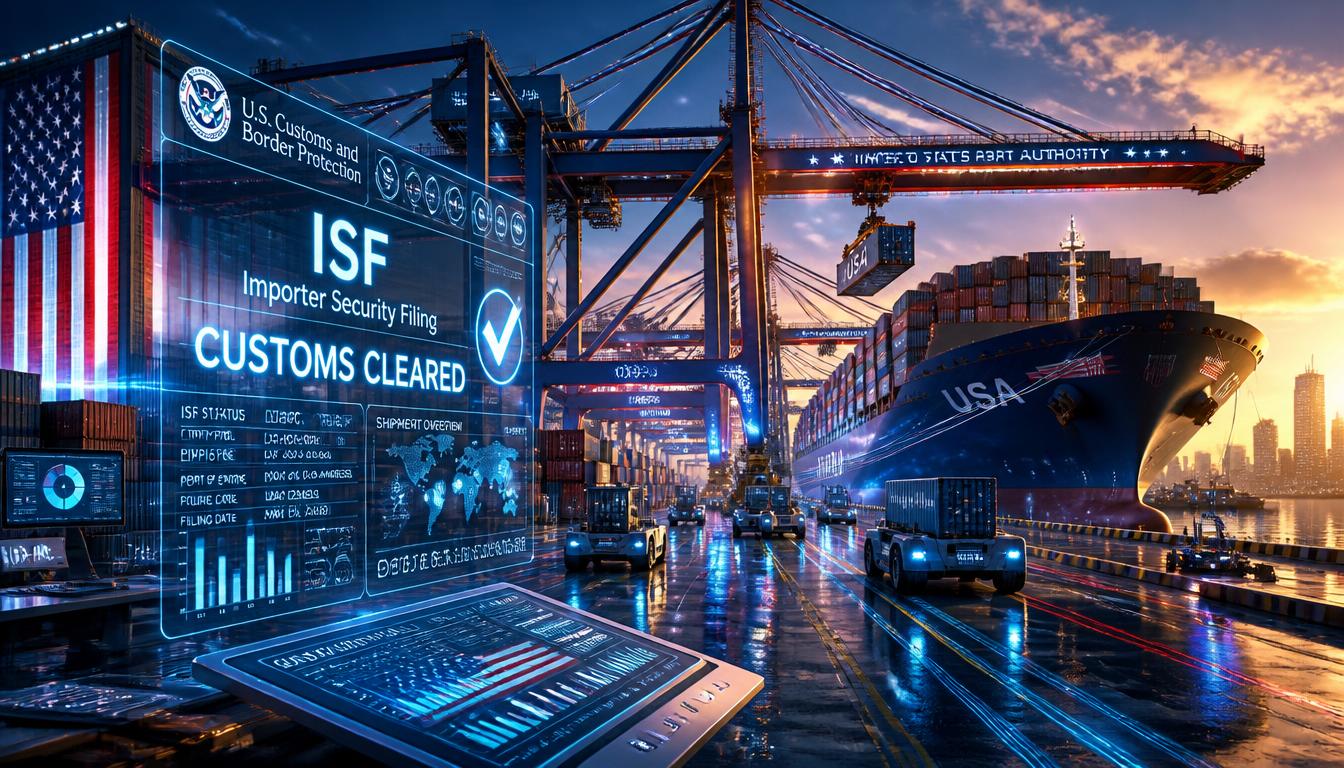
Clearing US Customs and Border Protection (CBP) doesn't have to be a black box. From ISF '10+2' filings to HTS codes and Section 301 tariffs, here is the practical, step-by-step guide to importing goods into the United States without costly holds.
Read article →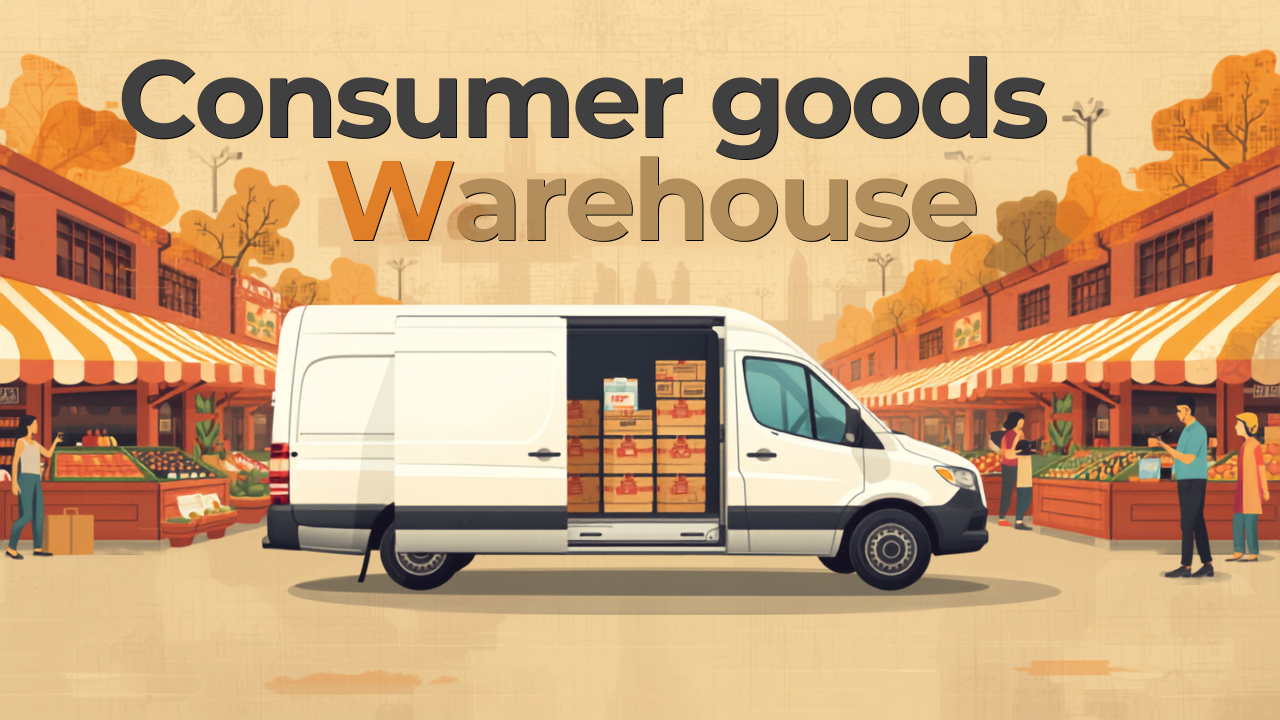
Fast-moving consumer goods operations run on thin margins, high velocity, and brutal forecasting pressure. In emerging markets, they face the added complexity of fragmented retail infrastructure, cash-based distribution channels, and logistics networks that don't match the patterns consumer goods multinationals built their software around.
Read article →
Supply chain optimization software promises significant cost reductions and efficiency improvements. The reality is more nuanced - ROI depends heavily on data quality, implementation quality, and whether you've solved the right problem. Here's an honest assessment.
Read article →
Manufacturing supply chains typically span multiple countries, dozens of suppliers, and three or more transport modes. Tracking a production schedule against inbound material shipments in real time is the difference between proactive production planning and reactive line stoppages.
Read article →
Incoterms determine who pays freight, who insures the goods, and where risk transfers between seller and buyer. Choosing the wrong term - or misunderstanding the one you've agreed to - can cost you thousands in unexpected charges and leave you holding liability you didn't intend to accept.
Read article →Talk to our team about demos, pilots, and enterprise rollout for your logistics operation.